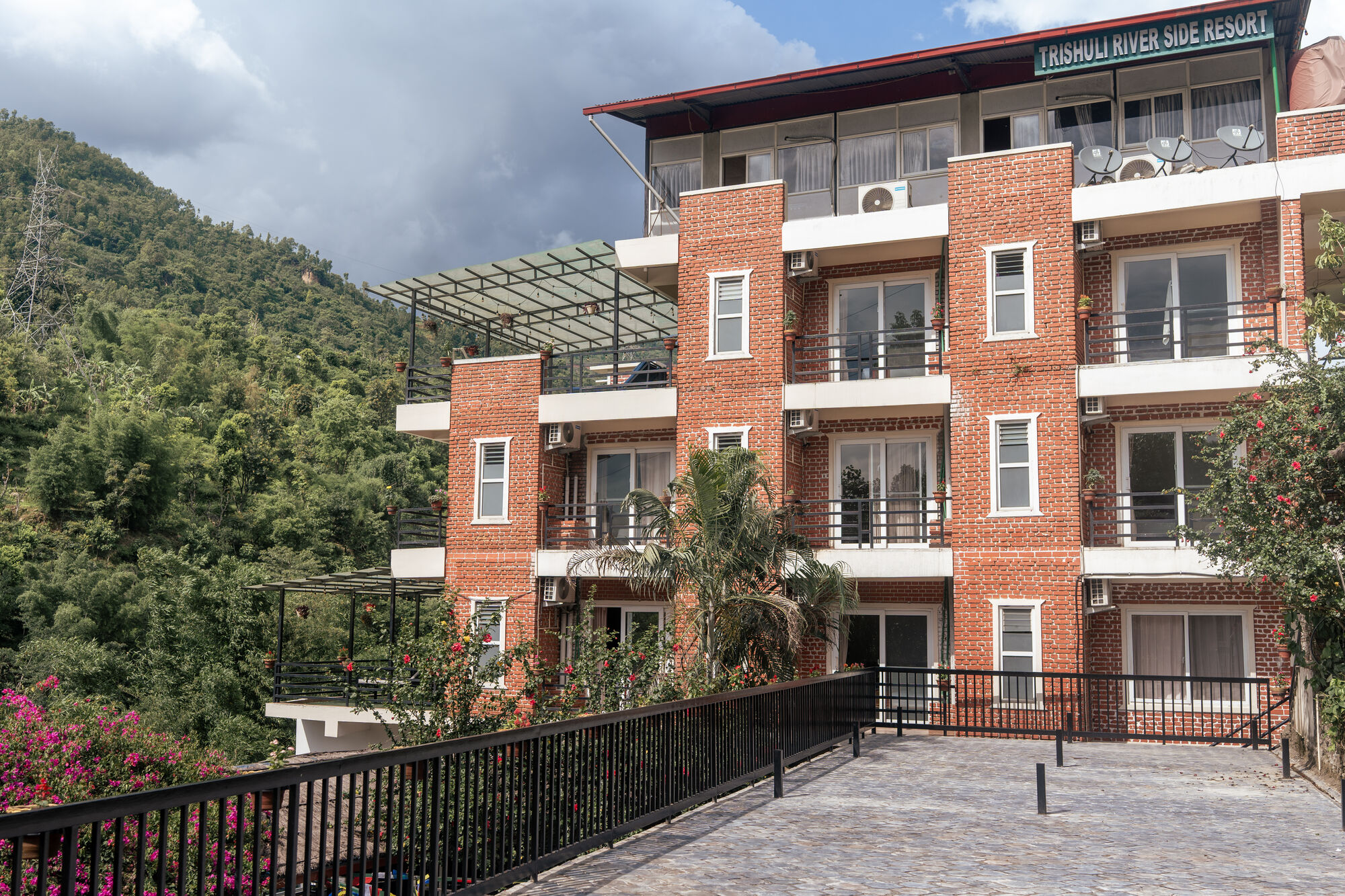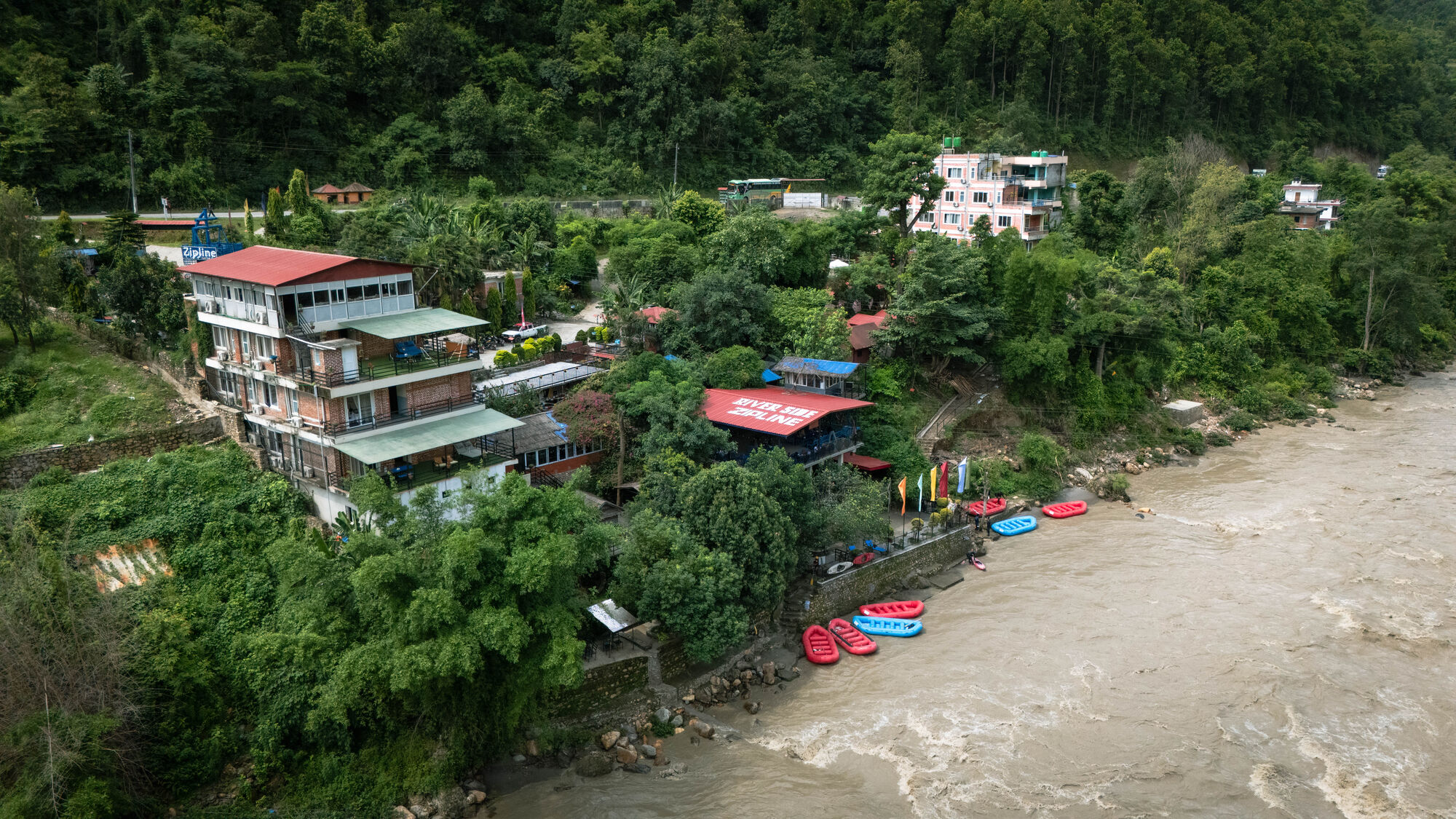
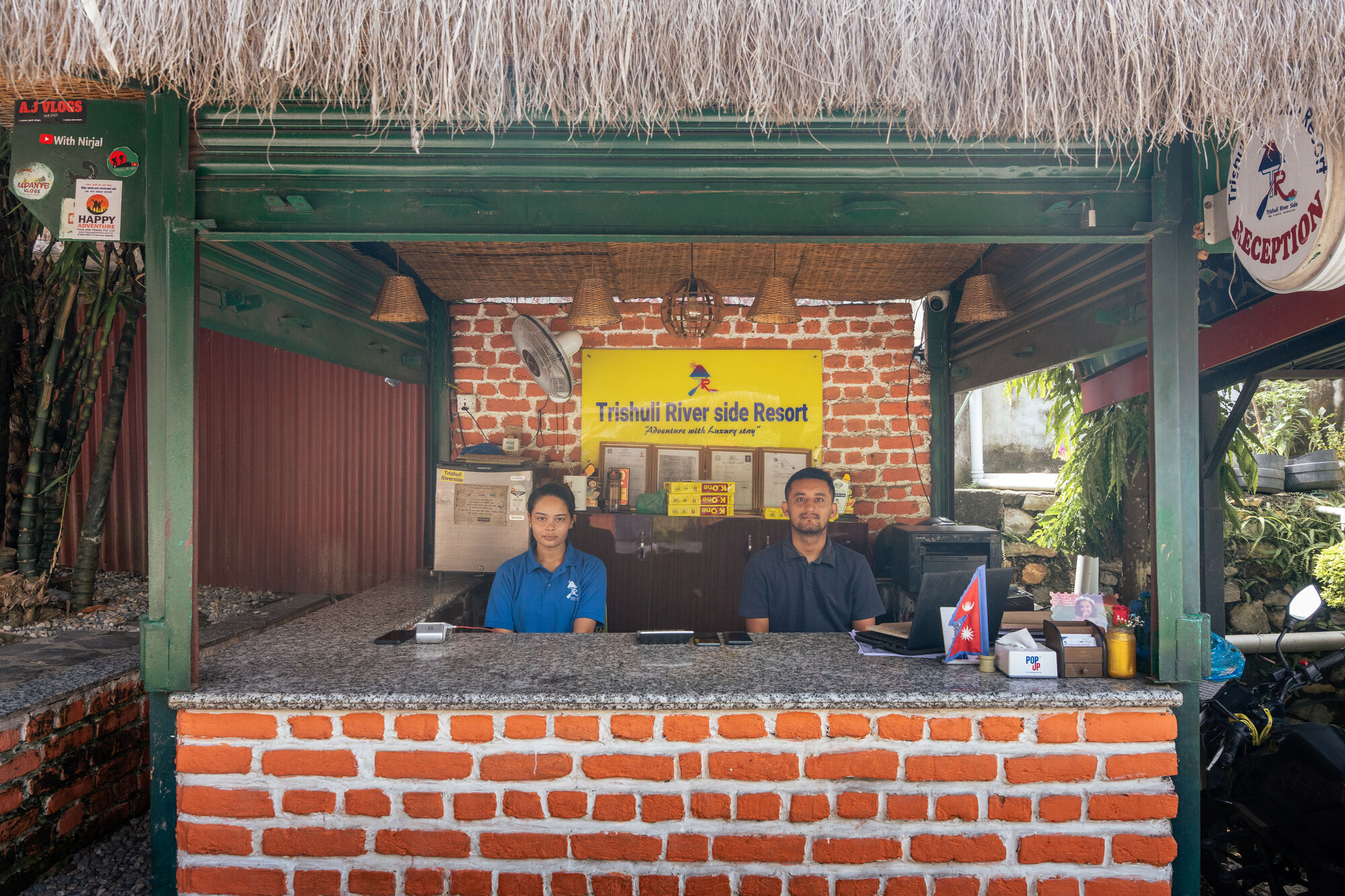
The Trishuli River flows powerfully through central Nepal, carving dramatic gorges and shaping both thrilling adventures and deep-rooted local traditions. As one of Nepal's most accessible whitewater rivers, it draws adventurers for rafting, kayaking, and canyoning. At the same time, it holds profound cultural and spiritual meaning for communities along its banks. From ancient Hindu mythology to daily livelihoods, the Trishuli influences life in profound ways. At Trishuli Riverside Resort, guests experience this dual essence firsthand heart-pounding rapids by day and serene riverside reflections by evening. This river truly bridges adrenaline and heritage.
Mythological Origins: The Trident of Shiva
In Hindu mythology, the Trishuli River derives its name from "Trishul," the trident weapon of Lord Shiva. Legends say Shiva struck the Himalayas with his trident, creating three sacred springs, one of which became the Trishuli. This origin story infuses the river with divine energy. Locals view it as a living embodiment of Shiva's power strong, transformative, and eternal. Such beliefs make the Trishuli more than just water; it becomes a sacred force woven into Nepal's spiritual fabric.
Spiritual and Religious Role in Local Life
Hindu devotees revere the Trishuli for rituals and ceremonies. Sacred sites like Devighat and Uttargaya along its course host important pilgrimages and offerings. During festivals such as Maghe Sankranti, people take holy dips in the river at dawn for purification and renewal. These practices connect generations, reinforcing cultural identity. The river's flow reminds communities of life's cycles powerful yet nourishing blending spirituality with everyday reverence.
The Trishuli as Nepal's Premier Adventure Hub
The river's dynamic rapids, ranging from Class II to IV, make it Nepal's most popular spot for whitewater rafting. Thrilling drops through scenic gorges attract beginners and experts alike. Kayaking, canyoning, and ziplining over the valley add variety. Its proximity to Kathmandu often just a short drive makes it accessible for day trips or multi-day expeditions. The Trishuli turns natural force into pure excitement, drawing global adventurers year after year.
How the River Sustains Local Communities
Beyond myth and adventure, the Trishuli supports livelihoods. Fishing provides food and income for riverside villages. Agriculture benefits from fertile banks enriched by seasonal floods. Tourism creates jobs guides, resort staff, transporters, and artisans all thrive thanks to visitors. The river fosters economic resilience in rural areas, blending traditional ways with modern opportunities while keeping communities tied to its rhythm.
Cultural Encounters Along the Riverbanks
Rafting or staying riverside reveals Nepal's diversity. Villages display Chepang, Tamang, and Gurung influences through homes, dress, and hospitality. Travelers glimpse daily life women washing clothes, children playing, farmers working fields. Riverside stops offer chances to taste local foods, hear folk stories, or join impromptu cultural exchanges. These moments turn adventure into meaningful connection, showing how the river links people across ethnic lines.
Tourism's Role in Preserving and Celebrating the River
Responsible tourism highlights the Trishuli's dual role. Resorts like Trishuli Riverside promote eco-friendly practices, support local guides, and educate guests on cultural respect. Adventure revenue helps protect the river from overuse while sharing its heritage. When done thoughtfully, tourism strengthens communities, preserves traditions, and ensures the Trishuli remains a source of pride and prosperity for future generations.
Frequently Asked Questions
Why is the Trishuli River named after a trident?
It comes from Hindu mythology, where Lord Shiva's trident (Trishuli) is said to have created the river's source.
Is the Trishuli considered a holy river?
Yes, Hindus perform rituals, take purifying baths, and hold ceremonies along its banks, especially at sacred confluences.
How does the river support local people beyond tourism?
It provides fishing, irrigation for farming, and a natural resource base that sustains traditional livelihoods.
Can visitors experience local culture while rafting?
Absolutely many trips include stops at villages, interactions with locals, and views of riverside life and heritage.
Experience the Trishuli's Magic Yourself
The Trishuli River weaves adventure, spirituality, and community into one incredible story. Come feel its power on the rapids, sense its sacred presence, and connect with the warm people who call its banks home. Trishuli Riverside Resort offers the ideal base to explore this living legacy. Plan your trip today dive into the thrill, embrace the culture, and let the Trishuli shape your own unforgettable Nepal memories!